Table Of Content
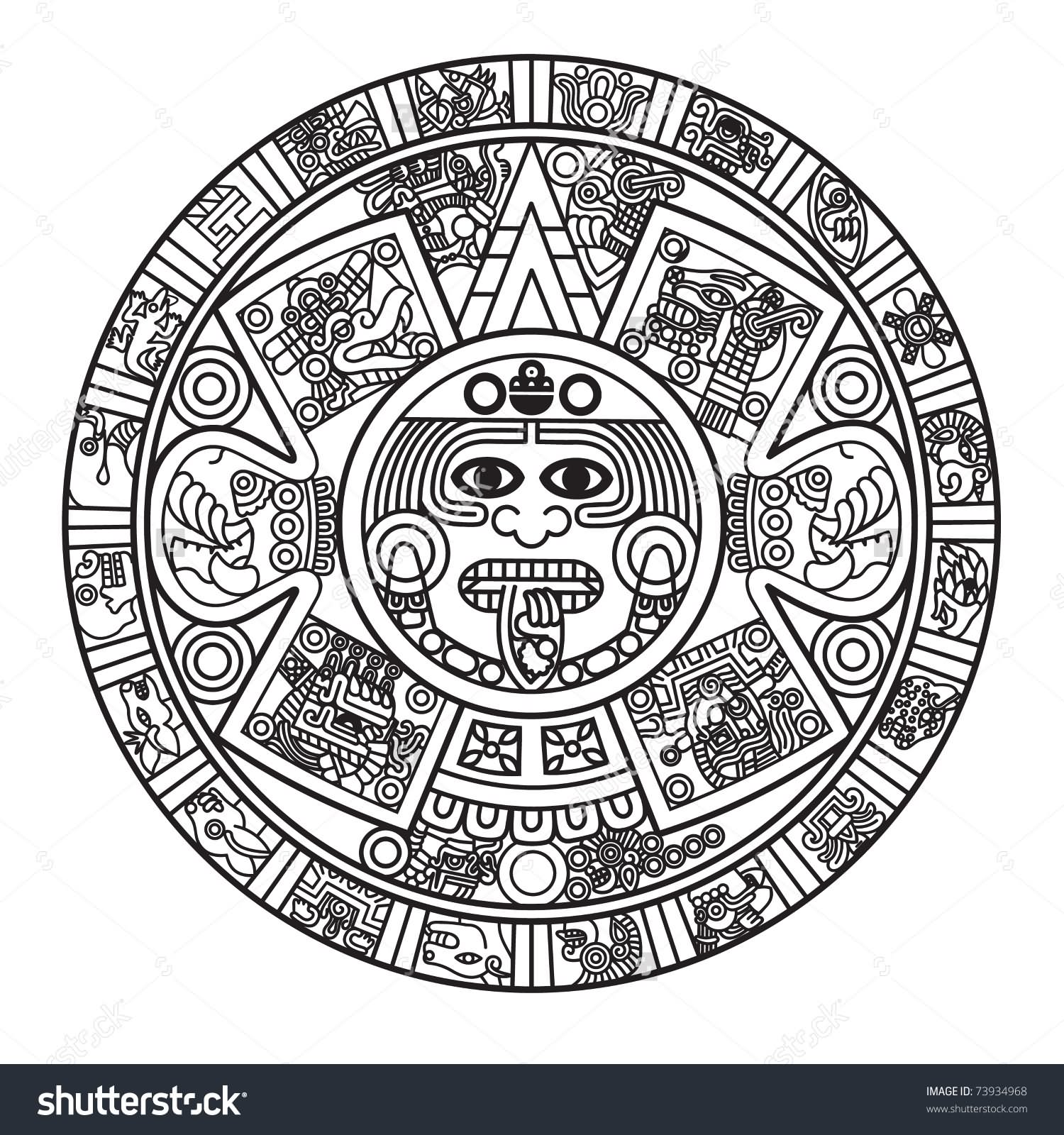
While a large majority of the Aztecs labored in the fields to feed the Aztec empire, and others were active in the extensive trading routes, there were also those that spent their time creating the artworks that the aristocratic Aztecs admired. Therefore, we find creative ingenuity in precious metal jewelry embellished with all kinds of beautiful adornments such as obsidian, jade, turquoise, and greenstone. Pottery from Tenochtitlan and adjacent areas still reveals the Aztecs’ superb abstract iconography. Feather craftsmen created beautifully designed headdresses and shields for the ruler and nobility. The stone’s lateral side portrays 15 distinct images of a costumed warrior having their hair snatched by another warrior. The first figure, likely the warrior with the greatest headdress, is designated by the Tizoc symbol and wears the symbol of the deity Huitzilopotchli, the adored god of battle.
Coatlicue in Aztec Sculpture
The basalt stone measures 3.78 meters in diameter and about a meter wide, and it was formerly part of Tenochtitlan’s Templo Mayor complex. Many Aztec families and even communities dedicated themselves to creating artwork for Aztec elites. The guild nobility supplied the raw materials, while the artists produced the final works—the spectacular stone carvings, jewels, complex ceremonial outfits for large religious events, and feather cloaks, shirts, and headdresses.
Tenochtitlan
The Aztecs were deeply committed to both art and religion, and the two were inextricably linked. Our understanding of the Aztec empire and culture is mostly based on pictorial codices and Aztec ancient art. Much of the gold and silver jewelry was lost to the invading Spanish, who melted it down for coins.
Early rulers of the Aztec Empire
Maya Revival is a modern architectural style popular in the Americas during the 1920s and 1930s[1] that drew inspiration from the architecture and iconography of pre-Columbian Mesoamerican cultures. As with all of Wright’s textile block residences, the Ennis House featured a custom designed pattern. Within the interlocking form, the Greek key design resembles a stylized “g”— perhaps an allusion to the Masonic order that Charles Ennis belonged to, which had an organizational symbol of a compass with the letter “g” for God at its center. Due to its exoticism, the house has served as the backdrop in numerous films, commercials and tv shows including Mulholland Drive, The Rocketeer, Rush Hour, Buffy the Vampire Slayer, Predator 2, Beverly Hills Cop II, and Blade Runner. The home sustained serious damage in the 1994 Northridge earthquake and torrential rains of 2005. Privately owned by billionaire, Ron Burkle, it is undergoing a complete restoration and is currently closed to the public.

The defeated are also portrayed as Chichimecs i.e. landless barbarians, whilst the victors wear the noble dress of the revered ancient Toltec. The upper surface of the stone, 2.67 m in diameter, depicts an eight-pointed sun-disk. The Stone of Tizoc now resides in the National Museum of Anthropology in Mexico City. This god represents agriculture and the cycles of vegetation, symbolized by maize—a key crop in Aztec life. The depiction of elaborate costumes made from human skin, used in religious ceremonies to honor this somewhat obscure deity, further highlights their unique cultural practices. The National Museum showcases intricate stone sculptures that bear witness to the technical mastery achieved by Aztec artists.
S+H Supplies Video Floor For Aztec UK - Live Design
S+H Supplies Video Floor For Aztec UK.
Posted: Tue, 10 Jan 2017 08:00:00 GMT [source]
Featherwork
We offer a wide variety of carpet materials including wool, natural fibers, synthetic and sustainable, so you don’t have to sacrifice look for longevity. When the International Congress of Americanists was formed in Nancy, France in 1875, Mexican scholars became active participants, and Mexico City has hosted the biennial multidisciplinary meeting six times, starting in 1895. Mexico's ancient civilizations have continued to be the focus of major scholarly investigations by Mexican and international scholars. These important symbols offered a way for the Aztecs to communicate with the gods and convey important cultural narratives in Aztec history. Traditional Aztec design patterns have been adapted and incorporated into modern art and design, including textiles, fashion, and home decor. Today, Aztec design patterns continue to influence international fashion and design trends, renowned for their bold, unique, and colorful aesthetics.
The second type was a round pyramid which was dedicated to the god of wind, Quetzalcoatl. The third type of pyramids was of a small pyramid with just one temple and one set of stairs. These temples were built in smaller cities and, just like the twin stairs pyramid, had square shaped base. The building's Art Museum of the Americas contains numerous stoneware architectural details that are copied from Maya and Mexica art. Aztec design patterns are inspiring, and their unique blend of ancient and modern art has caught the attention of artists and designers worldwide. From celebrated painters to graphic designers, Aztec design patterns have served as the central theme of several masterpieces.
Ancient Image Galleries
They provide a profound glimpse into the Aztec civilization’s complex cosmology, beliefs, and traditions. Furthermore, the revival and reinterpretation of each Aztec symbol in modern art and design celebrate Mexico’s rich heritage (especially the Aztecs) and contribute to preserving and revitalizing indigenous traditions. As the Aztec empire expanded and interacted with other Mesoamerican civilizations in central America, the symbolic repertoire extended, reflecting a fusion of diverse cultural beliefs and traditions. Aztec symbols were deeply rooted in the civilization’s cosmology, theology, and religious beliefs. Aztec symbols, often elaborate and deeply meaningful, intrigue researchers and art enthusiasts and have for centuries.
Stone of Tizoc (c. 1480s)
I only work with them because the product is excellent and the service is unparalleled. They handle everything from start to finish which means that from the moment I walk in the door through installation and beyond, they take care of me. I have worked with Jim and his company on many commercial and luxury residential projects through the years.
The first Aztec murals were from Teotihuacan.[131] Most of our current Aztec murals were found in Templo Mayor.[131] The Aztec capitol was decorated with elaborate murals. In Aztec murals, humans are represented like they are represented in the codices. Cuitláhuac, a kinsman and adviser to Moctezuma, succeeded him as tlatoani, mounting the defense of Tenochtitlan against the Spanish invaders and their indigenous allies. He ruled only 80 days, perhaps dying in a smallpox epidemic, although early sources do not give the cause. He was succeeded by Cuauhtémoc, the last independent Mexica tlatoani, who continued the fierce defense of Tenochtitlan. The Aztecs were weakened by disease, and the Spanish enlisted tens of thousands of Indian allies, especially Tlaxcalans, for the assault on Tenochtitlan.
Tlaloc, one of the most prominent figures in Aztec mythology, frequently graced stone sculptures. His visage was depicted with goggle eyes and jagged teeth to symbolize rain and fertility – essential elements for crop growth. In these works, you can almost hear thunder echoing from mountain peaks as water nourishes maize fields below. The ancient Olmec, Maya, Toltec, and Zapotec civilizations significantly impacted Aztec art. This included basalt for foundations in addition to tezontle which was a porous, lightweight stone.
These cultures included the Olmec culture which existed in the region during the BC era as well as the Mayan culture, the Zapotecs, and the Toltec culture. Other than these historical influences, Aztec architecture also had various elements unique to it. We offer you extensive information about the history of art, analyses of famous artworks, artist biopics, information on architecture, literature, photography, painting, and drawing. The stone’s center has an image of either Tonatiuh or Yohualtonatiuh or the primal earth creature Tlaltecuhtli, the latter marking the world’s final devastation when the 5th sun fell to Ground. Layers of “ordinary” feathers, colored feathers, and expensive feathers were used in these creations.


No comments:
Post a Comment